

Inside a Lab: Materials, Layouts, and Must-Haves
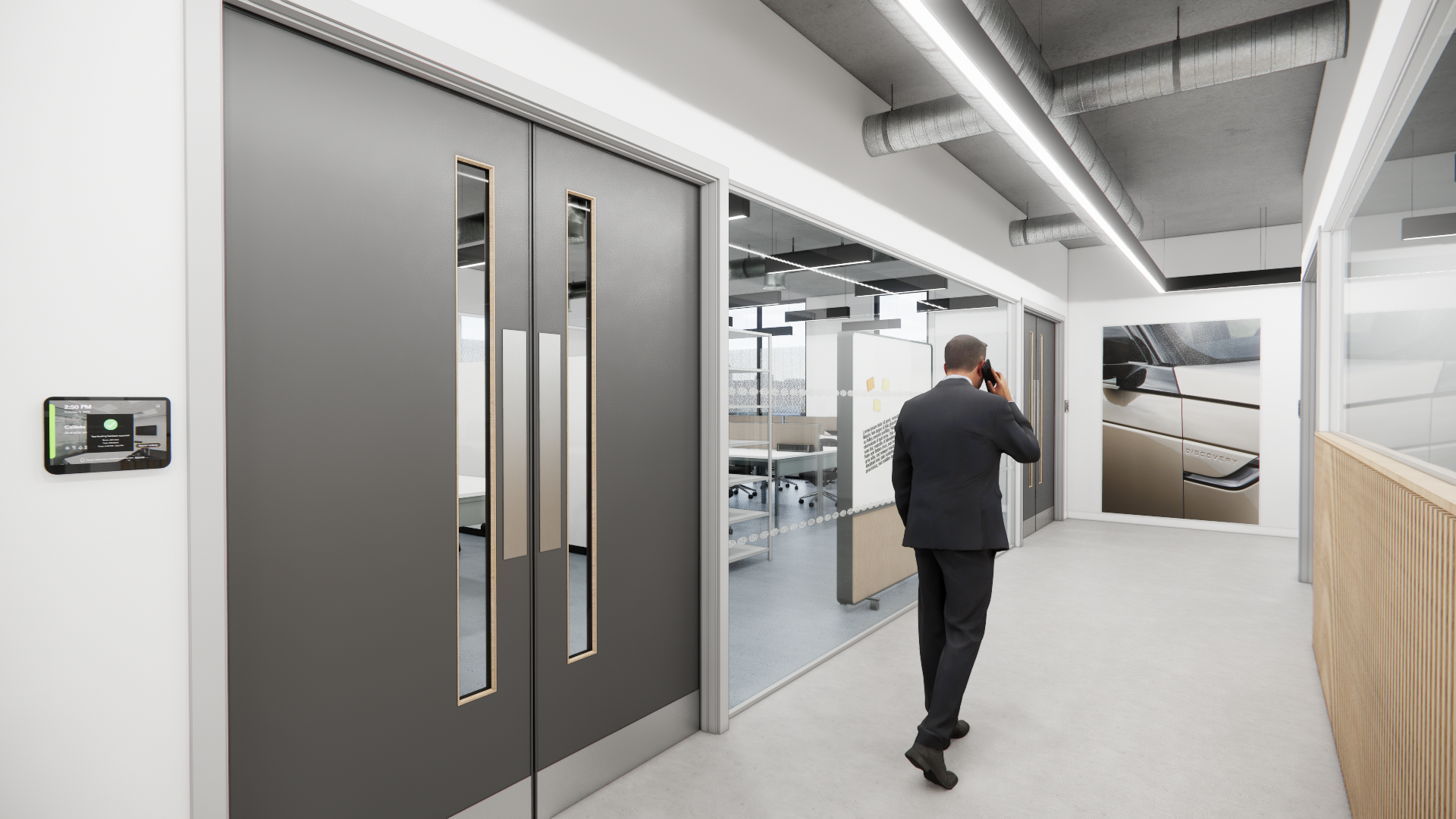
Designing laboratories is never just about building four walls and filling them with equipment. A well-designed lab must balance safety, efficiency, flexibility, and cost—while also anticipating how research needs will evolve over time. At Crux Design Studio, we’ve had the privilege of designing R&D and innovation labs across industries from automotive to health tech. Along the way, we’ve learned what really matters when it comes to creating spaces where science, engineering, and innovation thrive.
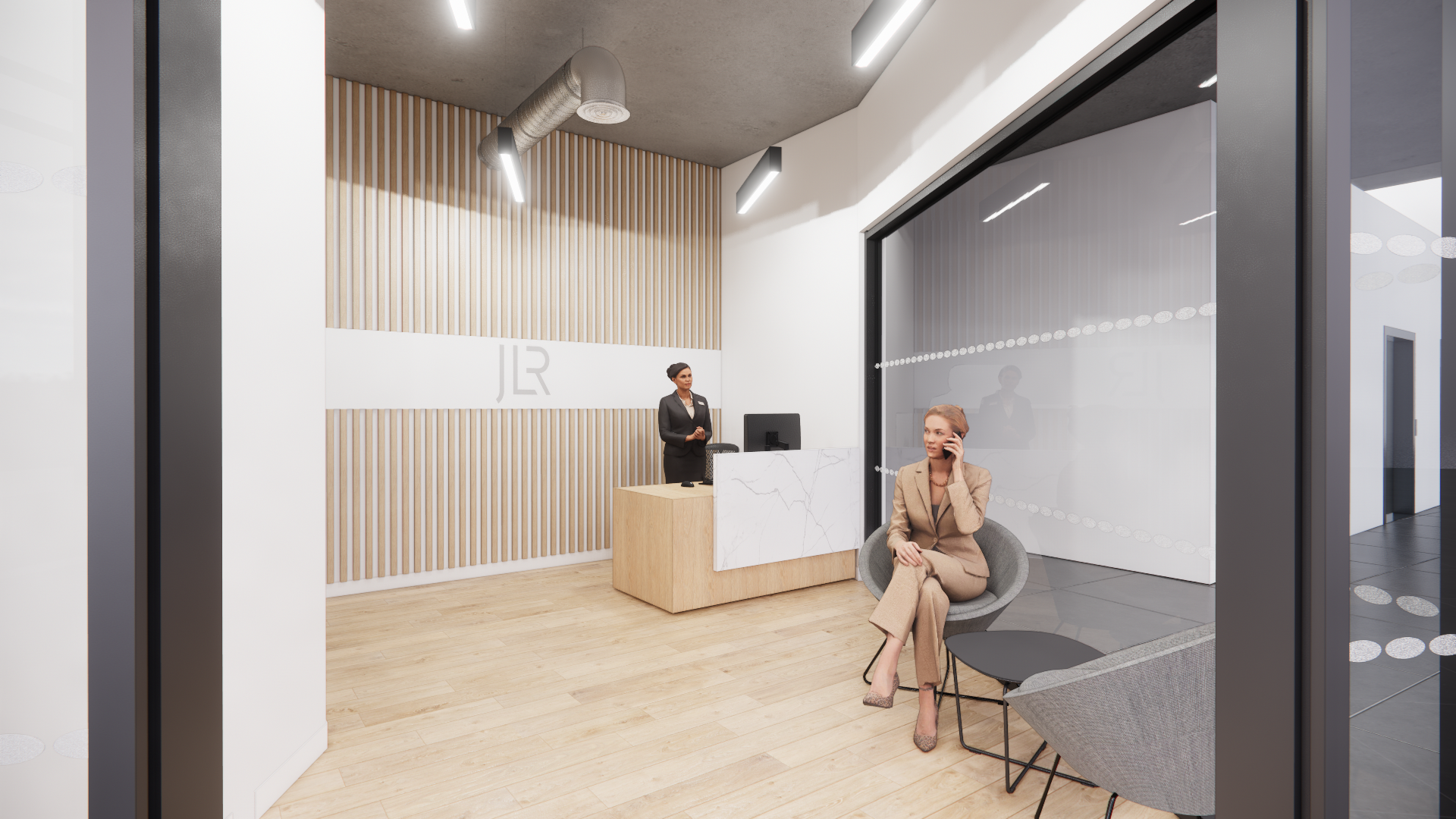
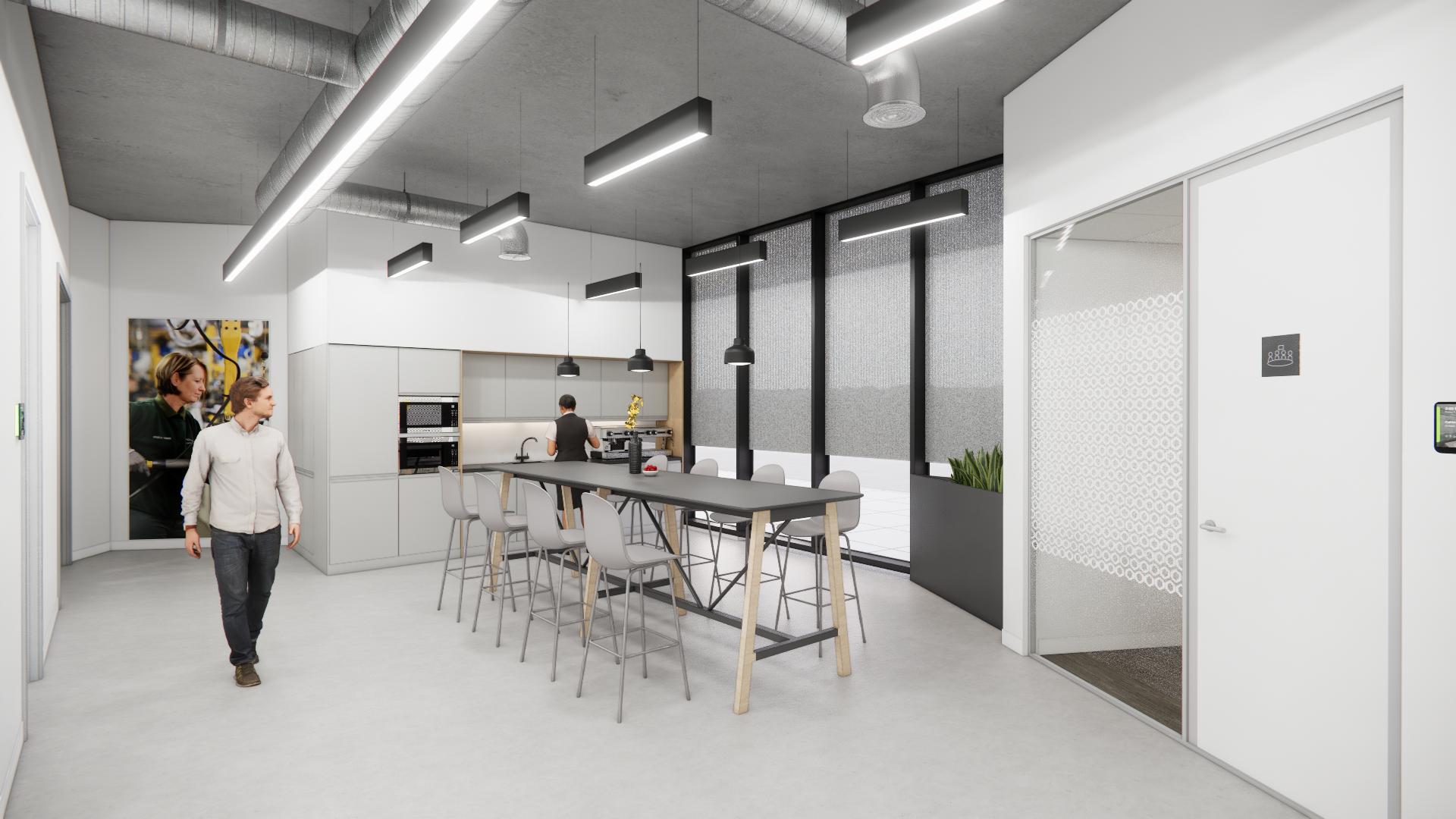
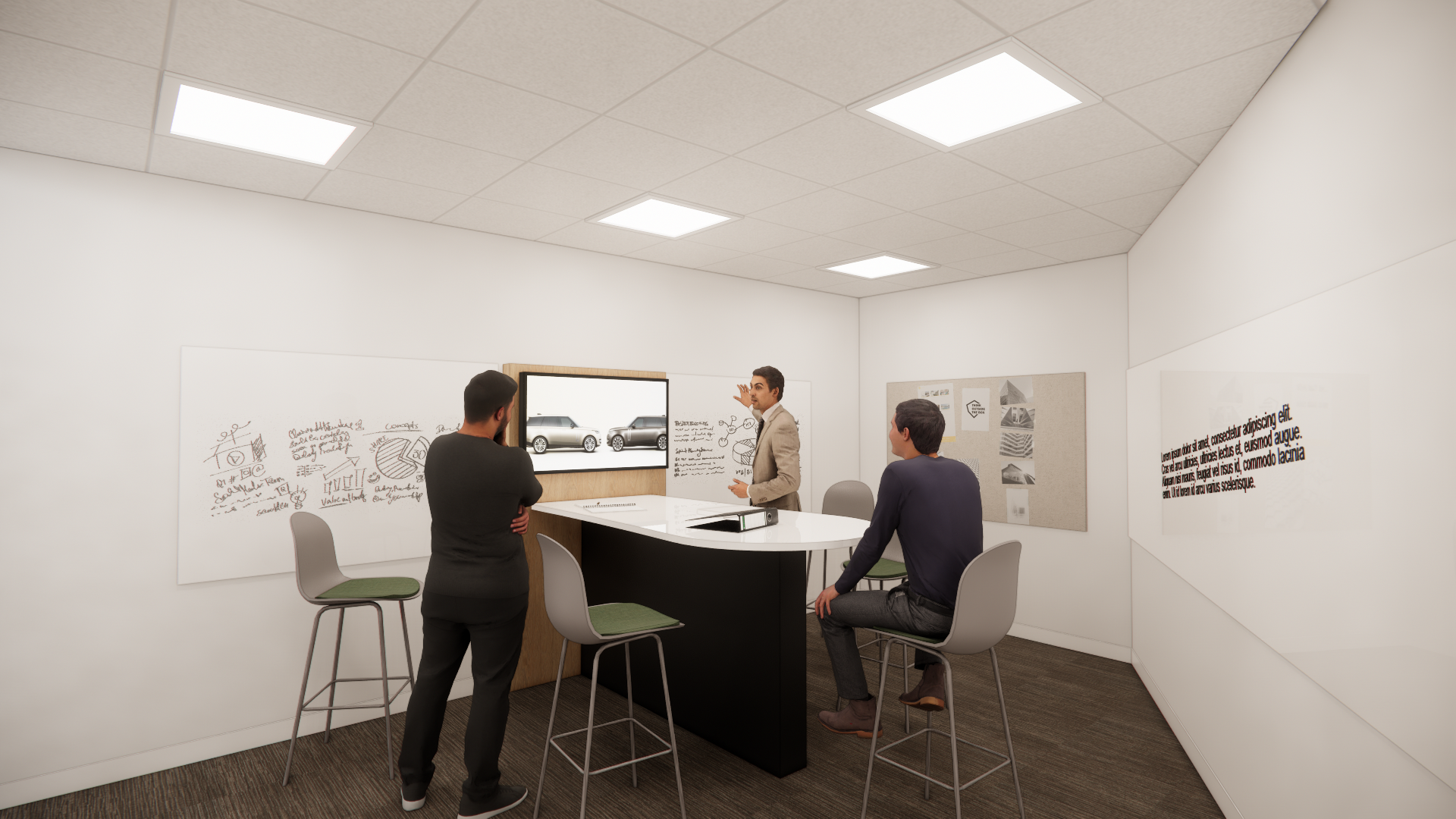
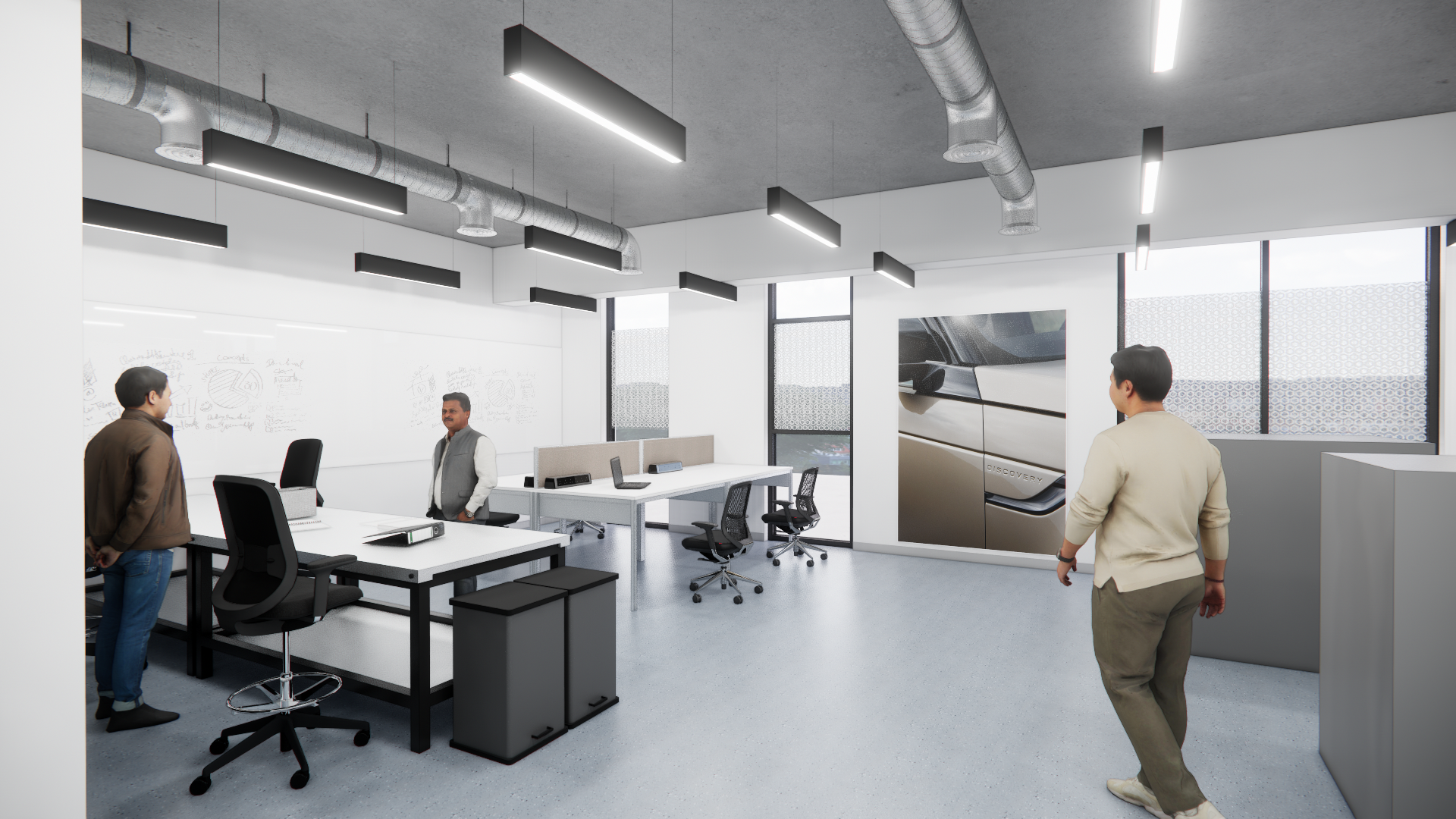
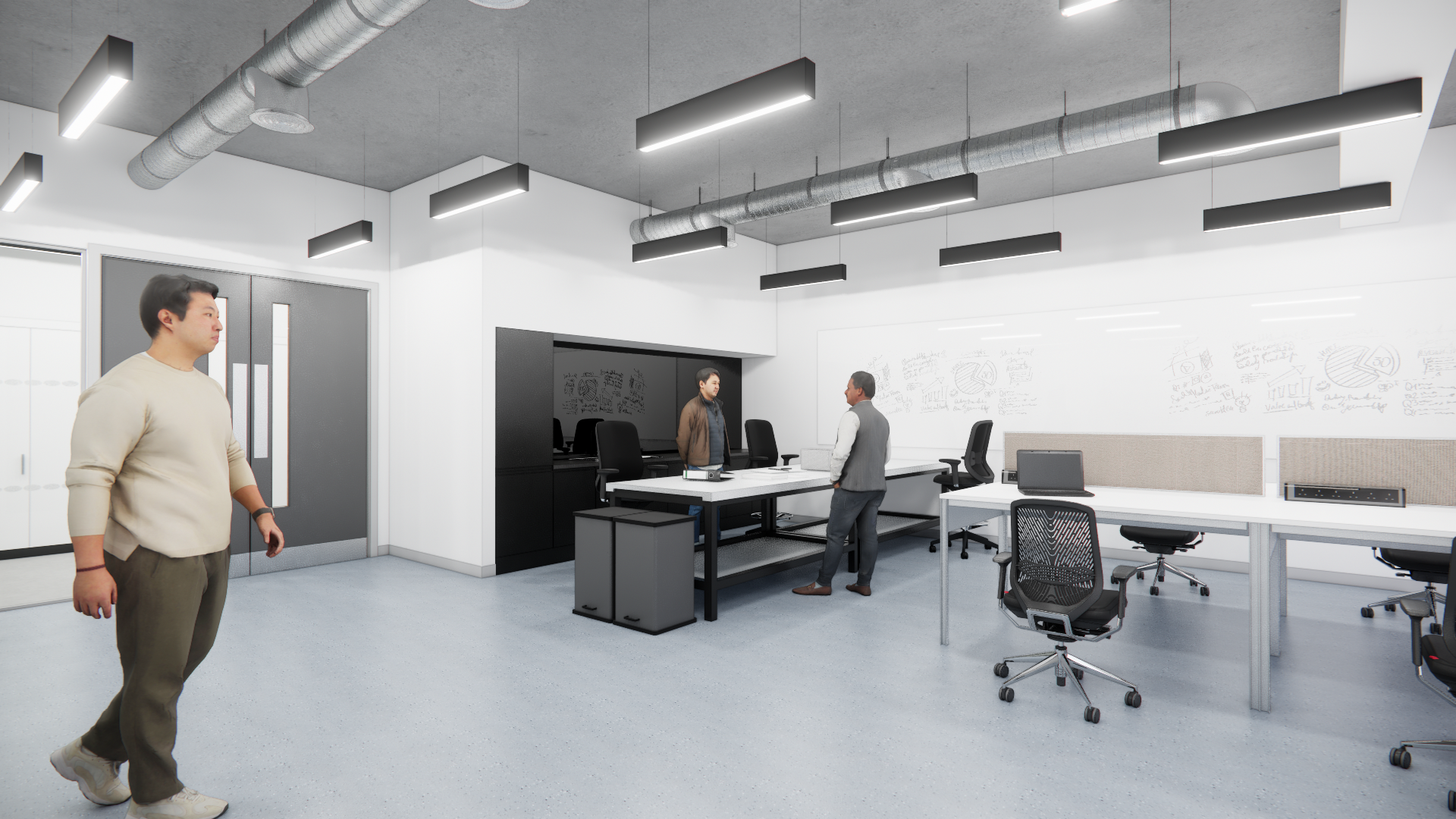
Choosing the Right MaterialsFlooring is often underestimated, but it sets the foundation for safe and functional labs. In our experience:
Grounded anti-static resin is the gold standard. It reduces electrostatic discharge, supports heavy loads, and offers long-term durability.
Vinyl flooring is a cost-effective alternative. While not as robust as resin, it provides a practical solution when budgets are constrained.
Walls, ceilings, and finishes should also lean toward light, neutral colours—not only to maximise brightness and visibility, but also to create a calm, distraction-free backdrop for complex work.
Layouts: Beyond Square FootageThe heart of a lab lies in how it’s planned. Every square metre needs to be intentional, because mistakes in placement can lead to safety risks, workflow bottlenecks, or costly retrofits.
The starting point is always understanding the equipment. This goes far beyond just size and power requirements:
Accessibility: Height restrictions, weight loads, and circulation paths must be factored in.
Chemicals: How are they stored, used, and disposed of safely?
Temperature and Wattage: What heat will the machines generate, and what load will the electrical system need to handle?
Acoustics and Combustion Risks: How loud is the equipment, and is there a fire or explosion hazard?
People and Process: How many people are needed to set up, run, and monitor an experiment—and how do they move within the space?
These details determine:
Safe equipment placement within the demise
Adequate airflow and circulation
Desk quantity and positioning
Access to risers for gas elimination
Cooling and power needs
In countries like India, where power is inconsistent, we’ve found it critical to build in battery and UPS rooms to maintain 24-hour operations.
Flexibility for Today and Tomorrow
R&D is never static. A lab that works today may need to adapt tomorrow. That’s why we advocate for:
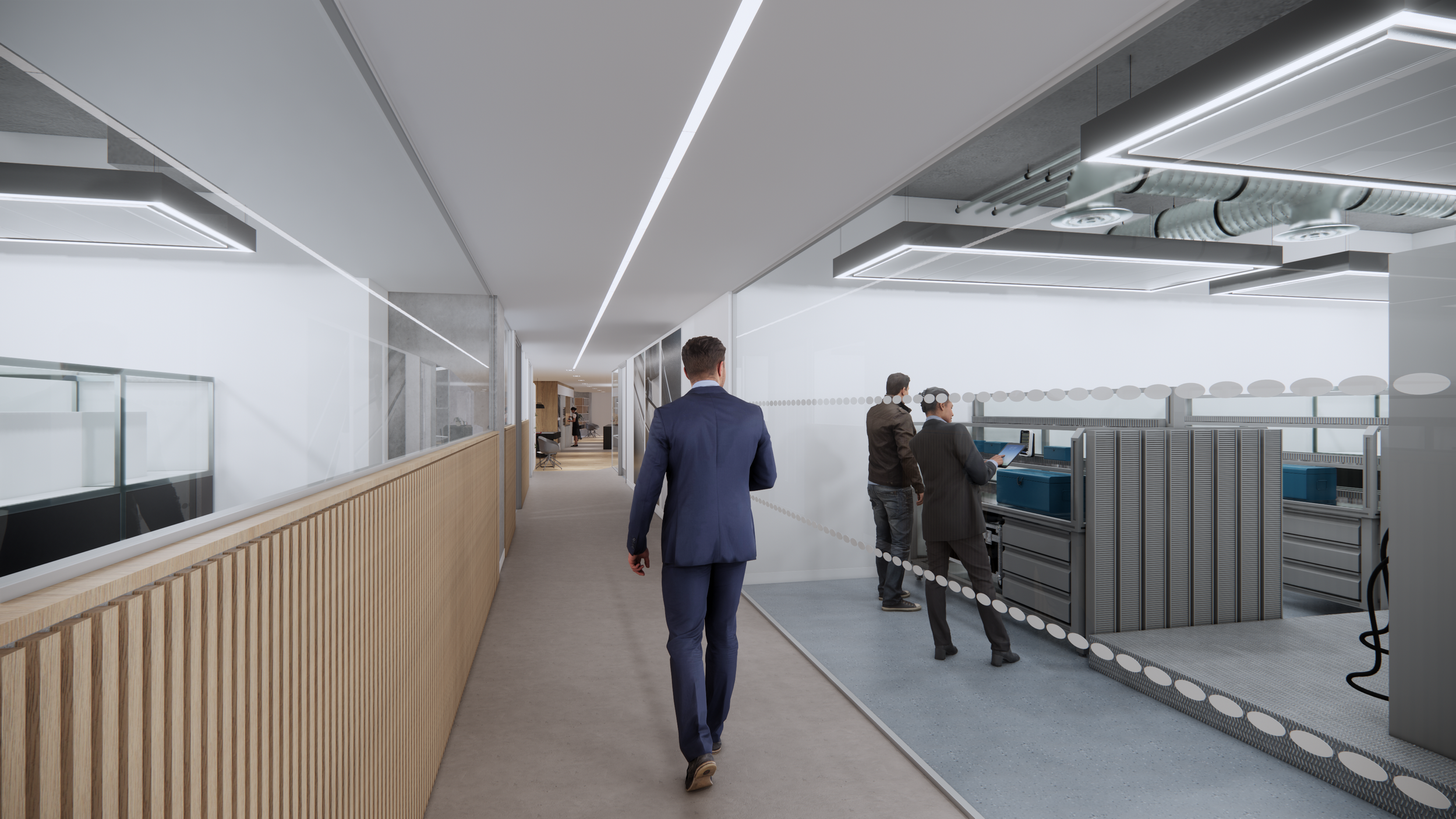
• Exposed ceilings with tightly run services, leaving space for future flexibility.
• Dedicated lab zones rather than scattering small labs across the workplace. Concentrated zones reduce costs, increase functionality, and make it easier to repurpose space as needs evolve.
This forward-thinking approach ensures labs remain valuable assets rather than becoming obsolete.
Must-Haves in Any LabAcross all projects, certain features consistently prove essential:
Uniform, high-quality lighting for precision work.
Comfortable airflow and cooling that supports both equipment and people.
Retractable power supplies to accommodate changing setups.
Battery/UPS rooms to safeguard continuous operations.
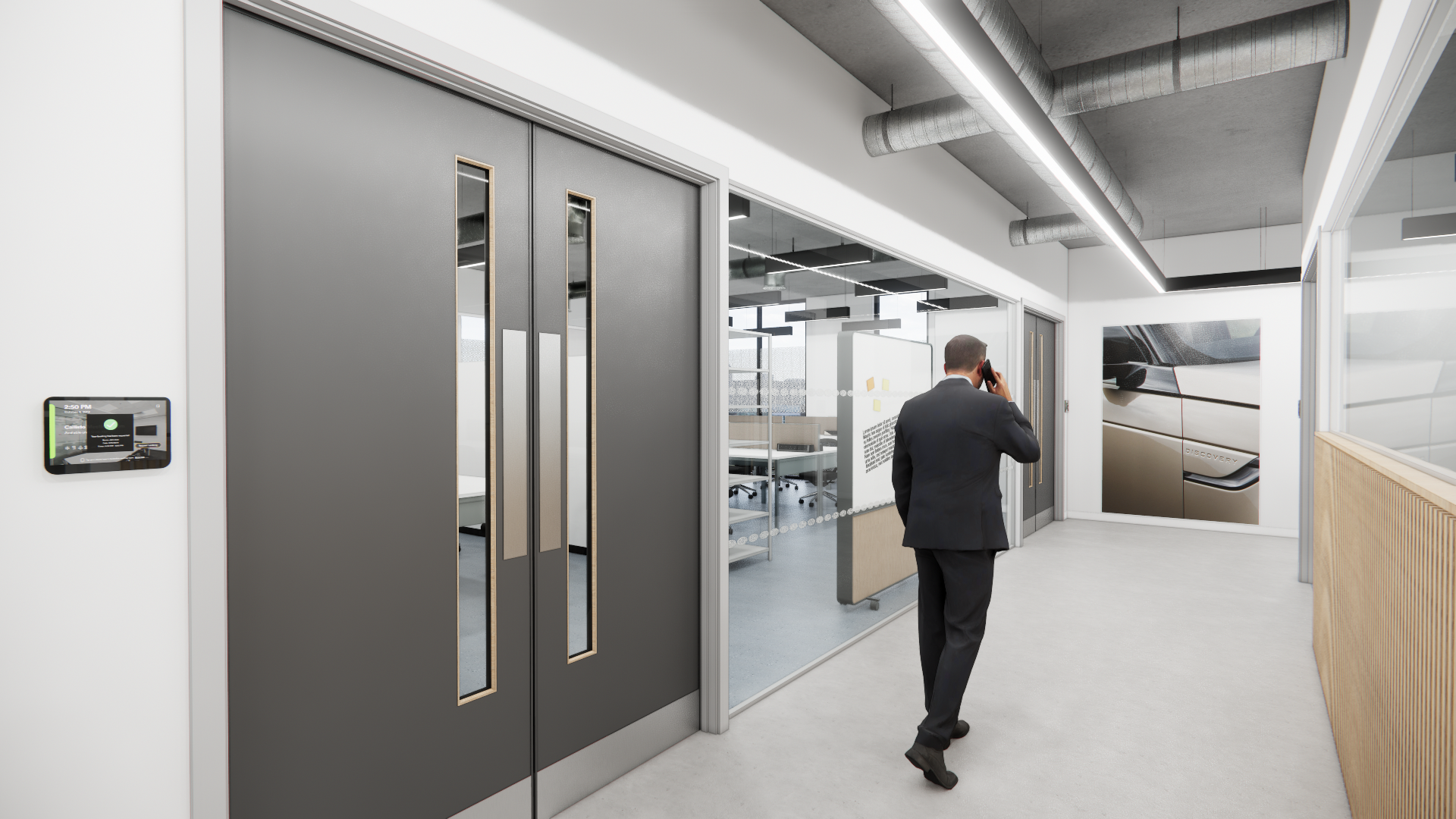
Fire-rated glass, walls, and dampers in mechanical ventilation—ensuring labs can transition from low-risk to higher-risk experiments safely.
Agile, purposeful furniture, such as small tables on casters, allowing engineers to quickly reconfigure setups.
Designing Labs for GrowthThe most successful labs are designed not just for the experiments of today, but also for the unknowns of tomorrow. By combining practical material choices, thoughtful layouts, and built-in adaptability, we help organisations create spaces that support innovation at every stage of growth.
